What Is ADAT? A Practical Look at Acro’s Display & Analysis Tool
Telemetry systems can pull in massive amounts of data across flight test, missile test, launch, and other demanding applications. But collecting the data is only part of the challenge. Teams still need to organize it, visualize it, and make sense of it quickly enough to support real decisions. That is where ADATcomes in.
AcroamaticsDisplay and Analysis Tool gives users a modern, flexible environment for working with telemetry in real time and after the event. Delivered with Acro’s Telemetry Data Processing Systems, ADAT helps transform processed telemetry into something engineers and operators can actually use, whether that means quick-look visibility during a test, playback after the mission, or deeper analysis when it is time to understand what really happened.
What Is ADAT?
ADAT, short for Acroamatics Display and Analysis Tool, is Acro’s software environment for display, analysis, recording, playback, and system operations. It works with Acro’s telemetry data processing systems to give users a practical way to view, control, and review telemetry data.
In simple terms, ADAT is the layer that helps customers move from processed telemetry to usable insight. It gives engineers and operators a way to see the data clearly, interact with it more easily, and get more value out of the telemetry chain already in place.
Built to Work with Acro’s Telemetry Data Processing Systems
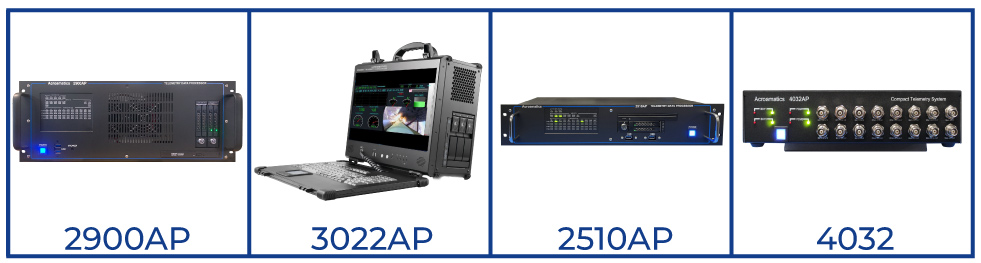
ADAT is built to work directly with Acroamatics’ Telemetry Data Processing Systems (TDPs) as well as legacy systems, giving users a connected environment for system setup, control, display, playback, and analysis.
Acro’s TDP platforms include:
Together, these systems handle the telemetry processing while ADAT gives engineers and operators the interface they need to work with the data in real time and after the event. Just as important, ADAT can also help modernize the display and analysis experience for legacy Acro environments, giving customers a path forward without forcing a complete hardware replacement.
Why Teams Get More Out of Their Data with ADAT
ADAT helps teams work with telemetry faster, more clearly, and with less friction. Its value comes from making the data easier to see, easier to organize, and easier to understand when timing matters.
With ADAT, users can:
build custom dashboards around the parameters that matter most
monitor telemetry in real time during a test or mission
replay, pause, scroll, zoom, and inspect data after the event
correlate displays and identify important events faster
work within a cleaner, more flexible interface instead of fighting dated legacy software
That combination helps teams move more quickly from collected data to usable answers.
Built for Today’s Telemetry Workflows
ADAT brings more than a visual refresh. It supports newer capabilities such as TMoIP and Chapter 10/11 UDP network direct decom, while giving customers a customizable dashboard and analysis environment better aligned with modern telemetry workflows.
It is also designed to be backward compatible with legacy Acro installations. That means customers can modernize their display and analysis experience, add distributed data display and playback features, and improve workflow usability without replacing existing hardware. For programs trying to extend the life of operational systems while improving how teams work with the data, that is a major advantage.
Flexible Across Operating Environments
ADAT fits into Acro’s broader telemetry processing approach, which supports deployment on Windows 11 or Red Hat Enterprise Linux depending on customer preference and cyber requirements. That gives teams flexibility in how they align telemetry processing and display tools with their broader environment.
Whether customers are supporting lab and integration work, range operations, or long-term telemetry processing systems, ADAT gives them a more practical and more capable way to work with the data coming out of Acro TDP systems.
Turn Processed Telemetry into Usable Insight
ADAT helps customers do more than display telemetry. It helps them work with it faster, understand it more clearly, and get more value out of the systems they already rely on. For teams using Acro telemetry data processing systems, that makes ADAT more than just another software layer, it makes it a key part of turning telemetry into action.
Want to see how ADAT fits into your workflow?
Take a closer look at Acro’s display and analysis tools and talk with the team about how ADAT can support your current systems or help modernize a legacy environment.
The Perfect Combination for Mission-Critical Telemetry When mission success depends on clean, uninterrupted telemetry, the integration between advanced antenna systems…